
Cleveland.com | Tony Zartman, November 21
Ohio’s rural communities are at a crossroads. Farming costs have soared, commodity prices are stuck in the past, and unpredictable weather has added new layers of risk. For many landowners, renewable energy development — particularly wind and solar — offers a practical way to stabilize their finances and preserve their farms for future generations. But instead of encouraging this opportunity, Ohio lawmakers have built a legal maze to keep it from happening.
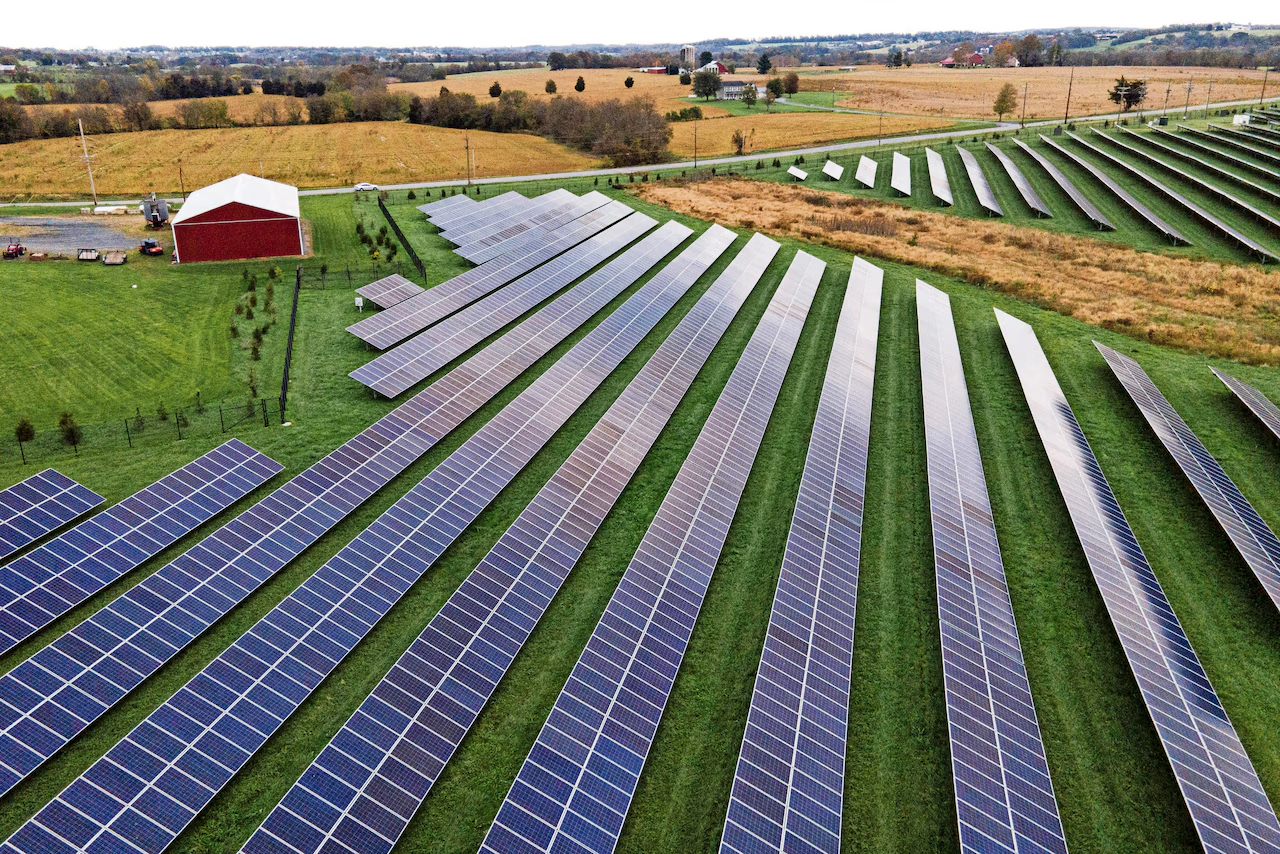
Across Northwest Ohio, farmers have embraced renewable energy as a way to generate steady income. Leasing farmland for wind or solar is voluntary — it’s a business decision, no different than renting land for crops or mineral rights. In Paulding County, for example, wind development has brought millions in tax revenue to schools and townships, created local jobs, and given farmers a reliable financial cushion that keeps their operations viable during hard years.
Renewables also strengthen Ohio’s energy future. As the state attracts new manufacturing and data centers, demand for reliable, affordable power is rising fast. Wind and solar are cost-competitive and can help meet that demand without relying solely on out-of-state fuel or aging coal plants. This is not a theoretical “green dream.” It’s happening right now in the counties that have welcomed projects — and the results are overwhelmingly positive.
Yet instead of embracing these benefits, the Ohio General Assembly has chosen obstruction. In 2021, lawmakers passed Senate Bill 52, which gives county commissioners the power to veto renewable energy projects — even when private landowners want them and state siting experts have approved them. This law applies only to wind and solar, not to pipelines, natural gas plants, or other infrastructure.
The architects of this legislation, including now-Senate President Rob McColley, one of two primary sponsors of SB 52, claimed they were defending “local control.” In reality, they stripped away individual property rights and handed power to a handful of politicians who can block economic development with the stroke of a pen.
This approach would be laughable if the consequences weren’t so serious. Ohio leaders talk endlessly about economic growth, energy security, and supporting farmers — but then they turn around and stop farmers from using their own land to produce home-grown energy. It’s policy madness.
Renewable energy is voluntary. It’s market-driven. And it brings economic benefits to rural communities that few other industries can match. What’s truly radical is giving county politicians veto power over private business agreements between landowners and energy developers.
Ohio doesn’t let neighbors stop someone from drilling for oil, growing crops, or building a barn. So why are renewables treated differently?
The answer lies in politics, not policy. Legislative leaders have chosen to side with legacy energy interests and anti-wind activists rather than defending the fundamental rights of property owners. SB 52 is not a defense of local control — it’s an attack on personal freedom.
If Ohio truly wants to support rural communities, it must repeal or reform SB 52. Landowners — not politicians in Columbus — should decide how their land is used. Renewable energy represents both economic survival for farmers and energy security for the state. Lawmakers need to get out of the way.
Read the original article here.